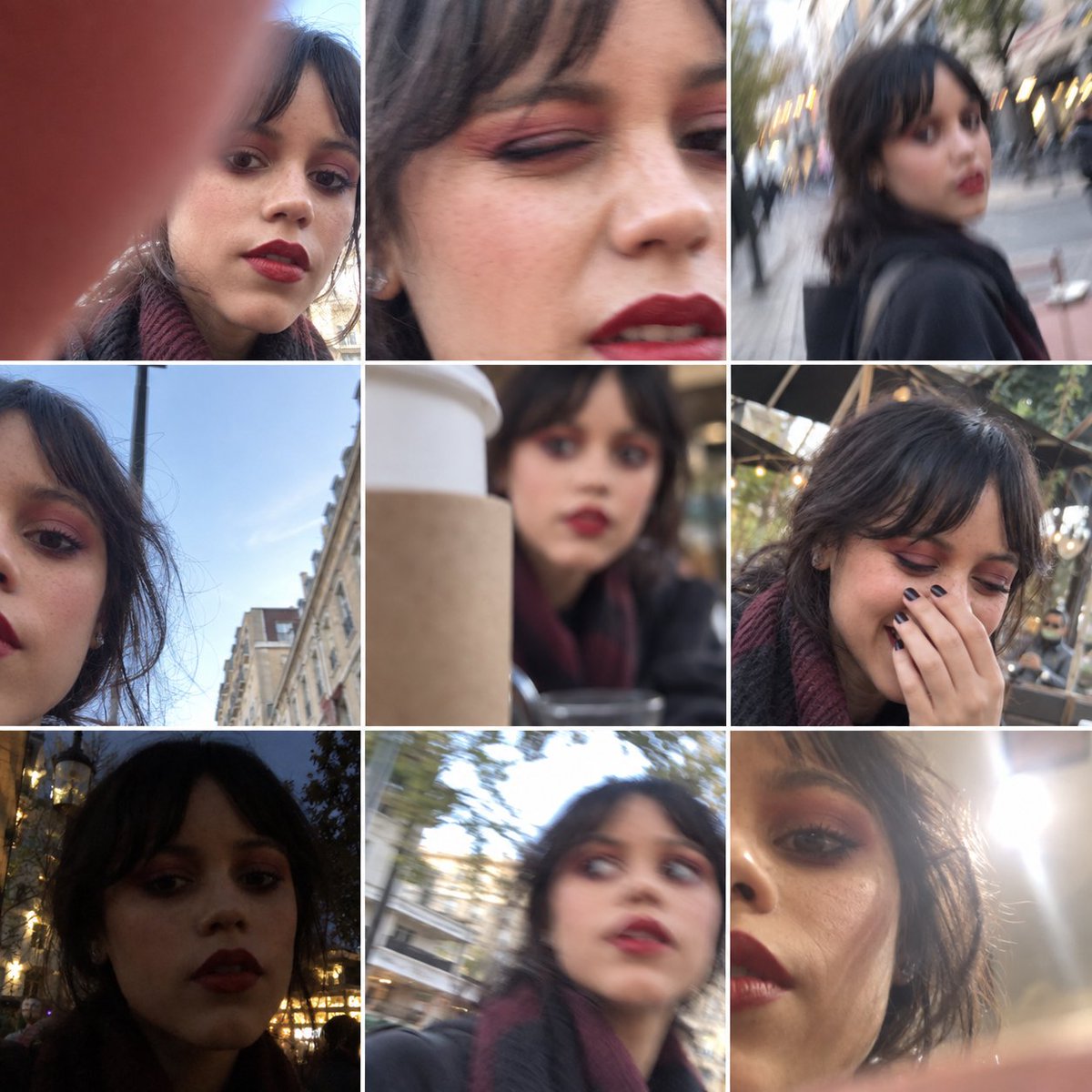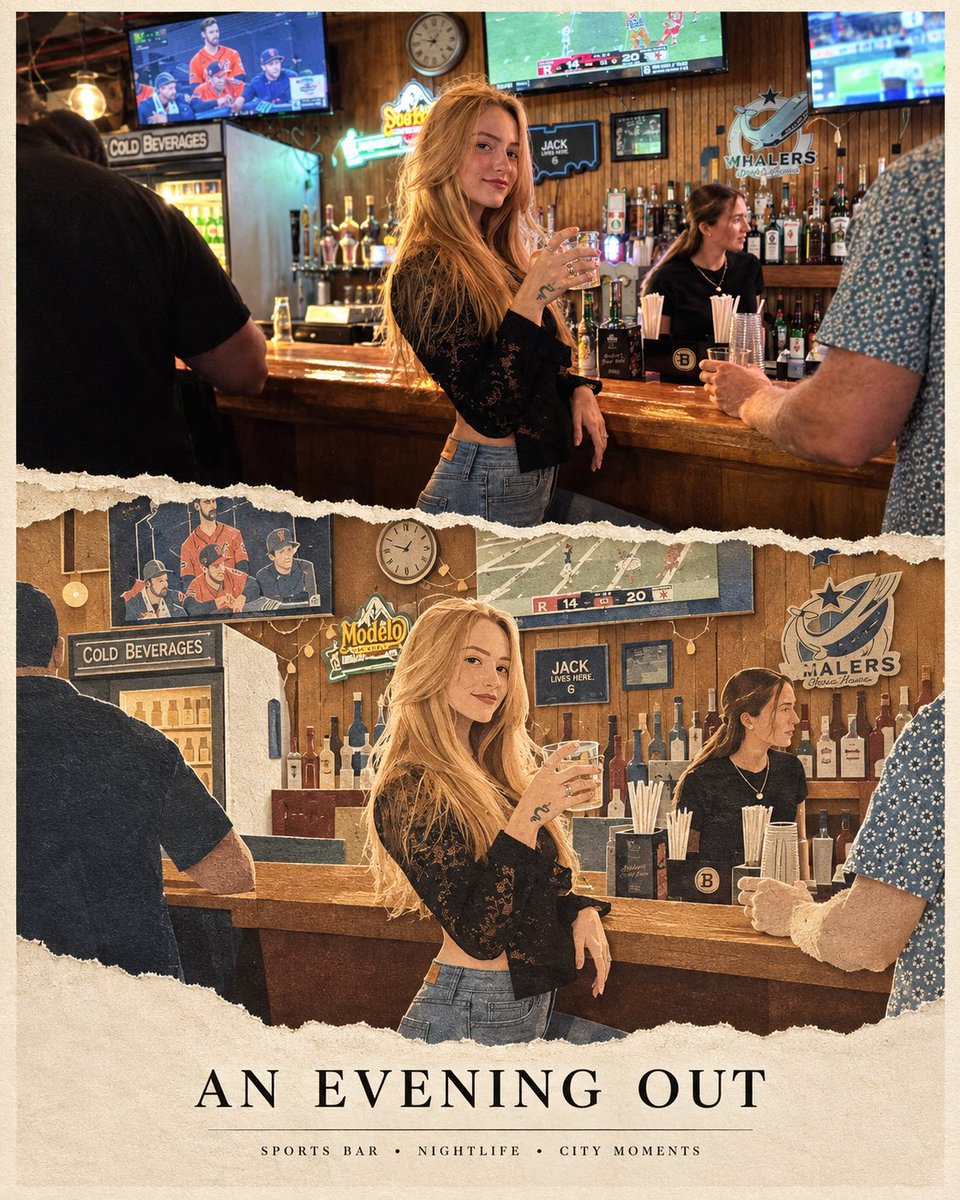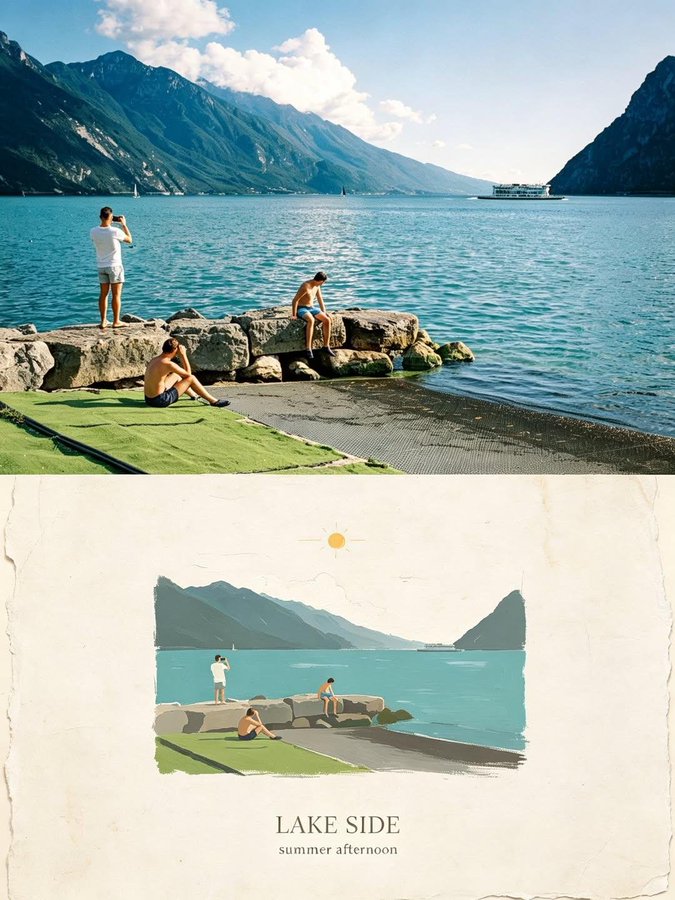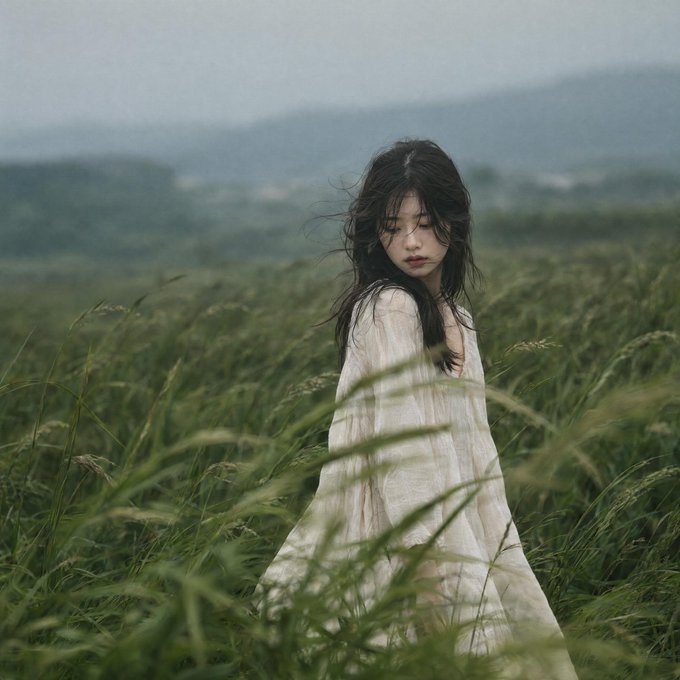
ChatGPT Image 2.5 で作成
Failed Photos Contact Sheet — 9 Accidental Smartphone Snapshots
プロンプト
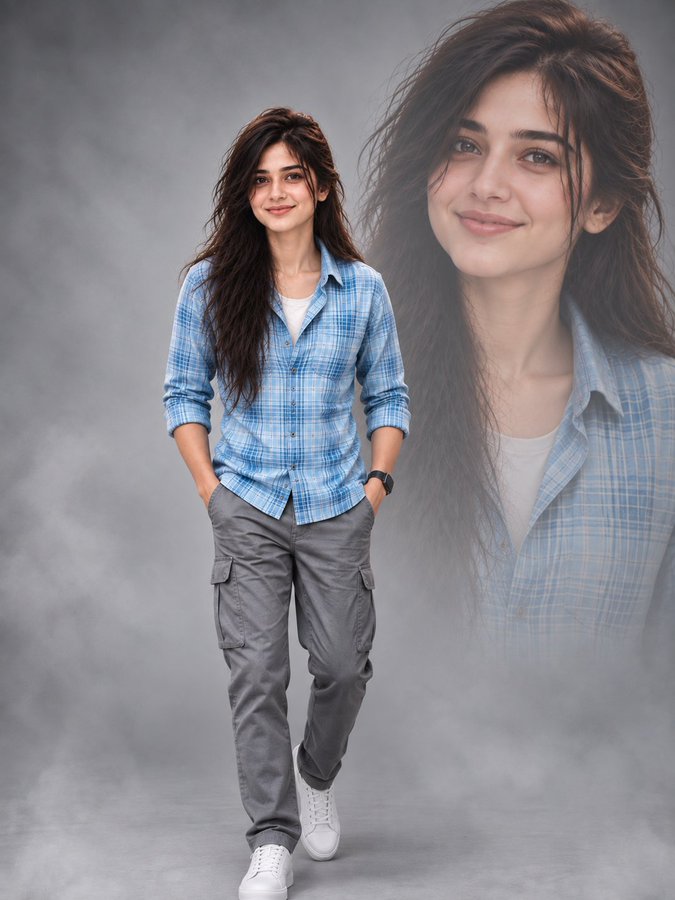
Use the uploaded reference image as the identity reference for the person. Preserve the same recognizable facial identity, facial structure, skin tone, hair characteristics, age, and overall appearance throughout all nine images. The reference image defines WHO the person is, not the pose, location, expression, clothing, lighting, or composition.

Create ONE single image formatted as a clean 3×3 grid containing exactly 9 separate smartphone photographs of the same person.

CORE CONCEPT:
A contact sheet of “failed photos” — nine accidental, badly timed, imperfect phone pictures that would normally be deleted from the camera roll. They should feel spontaneous, mundane, funny and completely unplanned rather than intentionally artistic.

Let the model freely invent one believable everyday location and situation for the person. Do not use a studio or staged photoshoot. The environment should feel like somewhere a real person could casually be photographed. Keep the general situation reasonably coherent across the grid, as if these photos came from the same short period of time.

Each of the 9 frames should fail in a DIFFERENT believable way. Freely choose and combine realistic smartphone photography mistakes such as: a finger partially covering the lens, accidental extreme crop, face partly outside the frame, subject turning away at the exact wrong moment, blinking, awkward mid-expression, looking somewhere else, sudden head movement, motion blur, camera shake, missed focus, autofocus locking onto the background, accidental close-up, tilted horizon, strange low or high camera angle, blown-out highlights, harsh automatic flash, underexposure, backlighting, lens glare, messy foreground obstruction, another object crossing the frame, accidental pocket-camera perspective, or a photo taken half a second too early or too late.

Do NOT make all nine images equally composed. Some can be close-ups, others medium shots or full-body shots. Some may barely contain the person's face. Allow awkward negative space, crooked framing, partial bodies, cut-off heads, clipped limbs, foreground obstructions and inconsistent camera distance. A few frames can be genuinely ugly or almost unusable.

The person should NOT pose for a professional photoshoot. Their behavior should feel natural and unaware or only casually aware of the phone: walking, turning around, talking, reacting, fixing clothing or hair, sitting down, standing up, looking away, moving past the camera, laughing unexpectedly, or being caught between actions.

SMARTPHONE REALISM:
Authentic handheld phone-camera quality, ordinary computational photography, small-sensor look, imperfect autofocus, occasional digital sharpening, mild compression, realistic motion blur, subtle sensor noise, imperfect white balance, inconsistent auto-exposure between frames, occasional highlight clipping and low-light noise. Natural skin texture with pores, fine lines and small imperfections. No beauty filter, no skin smoothing, no porcelain or plastic skin.

The photographs must NOT look cinematic, editorial, professionally lit, fashion-photography styled, or deliberately “aesthetic.” Avoid perfect depth of field, dramatic movie lighting, polished color grading, perfect symmetry and overly beautiful compositions.

The charm comes specifically from the photographs being technically bad but emotionally believable — the kind of random failed pictures found while scrolling through someone's real phone gallery.

GRID:
exactly 9 photographs, 3 columns × 3 rows, thin simple separators, no text, no captions, no numbering, no logos, no decorative collage elements.

IMPORTANT:
Same recognizable person from the uploaded identity reference in ALL nine frames. Do not turn the grid into nine different people. Preserve identity even when the face is blurred, partially hidden, badly exposed, cropped, seen from an awkward angle, or caught in motion.

Final result should feel like nine authentic accidental smartphone snapshots, not nine AI-generated interpretations of “bad photography.”