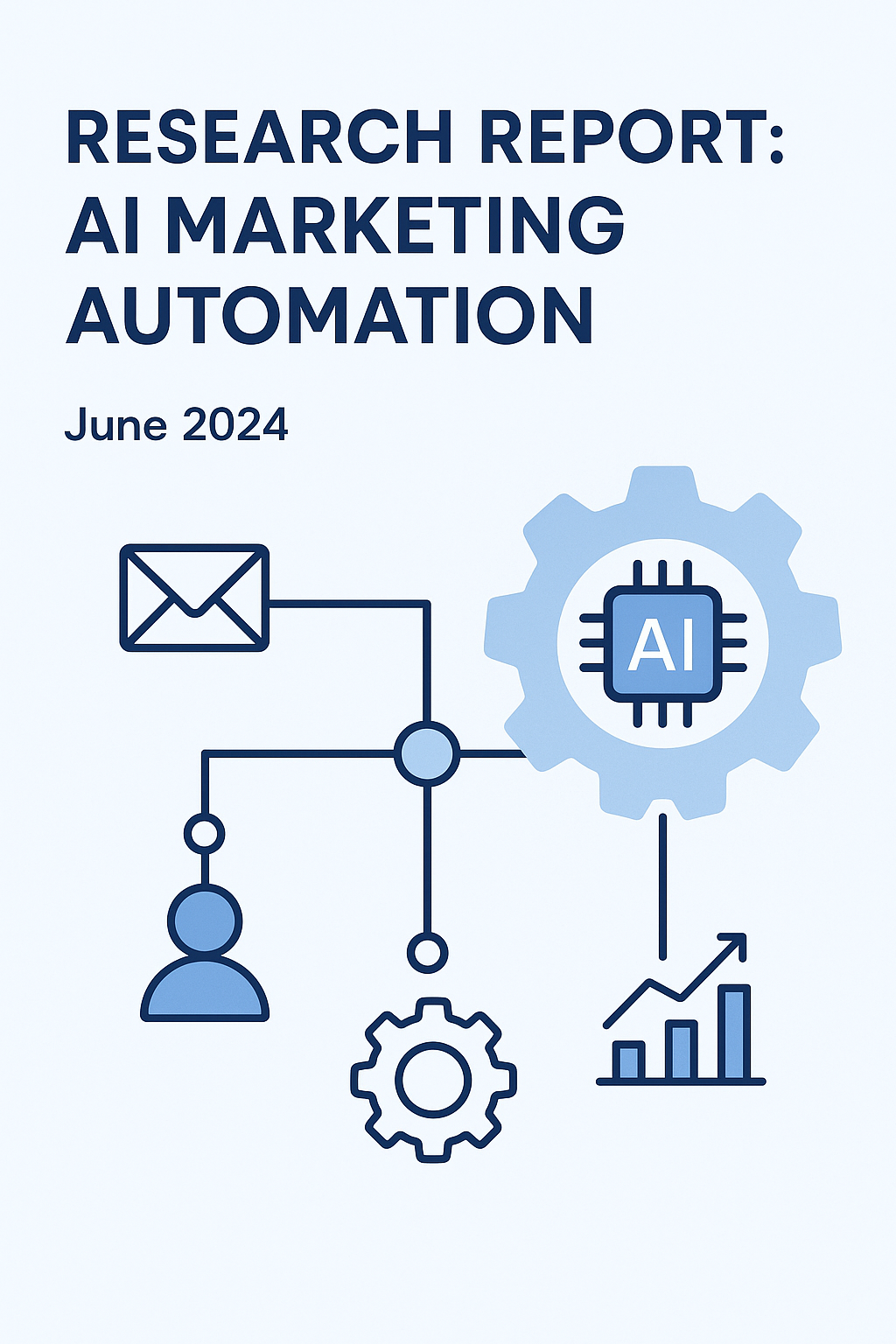
AI marketing automation is revolutionizing the way organizations engage customers, manage campaigns, and drive revenue. By leveraging artificial intelligence, businesses can automate complex, time-consuming processes, improve personalization, and enhance customer experiences at scale. This report provides an in-depth analysis of the technologies, benefits, challenges, and future trends in AI-driven marketing automation.
Introduction to AI Marketing Automation
AI marketing automation refers to the integration of artificial intelligence technologies into marketing automation systems. These systems streamline marketing processes such as email campaigns, social media posting, lead nurturing, customer segmentation, and data analysis, with minimal human intervention.
Purpose:
- Improve efficiency
- Deliver hyper-personalized experiences
- Maximize return on investment (ROI)
How AI is Transforming Marketing Automation
- Data Collection and Analysis: AI systems aggregate customer data from multiple touchpoints (web, social, CRM, IoT devices) and analyze patterns to uncover deeper insights into consumer behavior.
- Personalization: AI tailors content, product recommendations, and timing of communications using real-time data, increasing engagement and conversion rates.
- Customer Journey Mapping: AI traces and predicts individual customer journeys, allowing marketers to serve relevant content at optimal times.
- Predictive Analytics: By analyzing historical behavior and market trends, AI predicts future customer actions, enabling proactive marketing efforts such as forecasting demand and customer churn.
- Content Generation: AI-powered tools can generate email subject lines, social media posts, product descriptions, and even creative designs, significantly speeding up content pipelines.
Key Technologies Powering AI Marketing Automation
- Machine Learning (ML): Enables learning from large datasets to improve decision-making over time (e.g., audience segmentation, predictive scoring).
- Natural Language Processing (NLP): Powers chatbots, sentiment analysis, and content creation.
- Computer Vision: Supports image/video analysis for campaign optimization.
- Chatbots and Conversational AI: Automate real-time customer support and interaction, improving response time and user satisfaction.
- Recommendation Engines: Suggest products or content to users based on behaviour, increasing upsell and cross-sell opportunities.
Benefits of AI Marketing Automation
- Efficiency: Automates repetitive tasks (email nurturing, segmentation, reporting)
- Personalization at Scale: Delivers individualized experiences to millions simultaneously
- Improved ROI: Higher accuracy in targeting and resource allocation
- Enhanced Customer Experience: Timely, relevant, and convenient interactions
- Informed Decision-Making: Actionable insights from complex data
Challenges and Limitations
- Data Privacy and Security: Complying with regulations (GDPR, CCPA)
- Bias and Fairness: Risks of algorithmic bias affecting targeting and messaging
- Integration Complexity: Difficulties integrating AI with legacy systems
- High Implementation Costs: Investment required in technology and talent
- Need for Human Oversight: Balancing automation with creative and strategic input
Impact on Marketers and Consumers
Marketers:
- Shift from manual to strategic, creative, and analytical roles
- Requires upskilling in AI and data literacy
Consumers:
- Experience greater convenience and relevance
- Concerns over data usage and privacy
Case Studies and Real-World Applications
- Netflix: Uses AI for personalized movie recommendations and content previews
- Sephora: Virtual artist and chatbot guide purchasing decisions and beauty advice
- Coca-Cola: AI-driven social listening to inform marketing campaigns
- HubSpot/Marketo: AI embedded in marketing automation suites for smarter email targeting and lead scoring
Future Directions
- Hybrid Human-AI Collaboration: Strategic tasks managed by humans, repetitive tasks automated
- Hyper-Personalization: Individualized marketing down to the segment of one
- Multimodal AI: Combining text, audio, and visual data for richer engagements
- AI Transparency: Explainable AI for ethical deployment and trust-building
- Integration with Emerging Tech: AR/VR, IoT for immersive customer experiences
Conclusion
"AI marketing automation is quickly becoming an essential component of modern marketing strategy. Its ability to automate, personalize, and optimize at scale offers a competitive advantage to early adopters. However, organizations need to navigate challenges around privacy, bias, and integration to realize its full potential. As technology matures, human-AI collaboration will define the future of marketing."
References
- Chaffey, D. (2023). Artificial Intelligence in marketing: Opportunities and challenges. Smart Insights.
- Salesforce (2023). State of Marketing Report.
- McKinsey & Company (2022). The impact of AI on marketing automation.
- Gartner (2023). Magic Quadrant for Multichannel Marketing Hubs.
- Harvard Business Review (2022). How AI is reshaping marketing.